How Much Energy Do Solar Panels Produce?
Knowing how much energy solar panels produce is key to understanding the benefits they can bring to your home. This guide breaks down the factors influencing solar panel output and how to estimate what you can expect based on location, panel type, and installation specifics. Average Energy Output of Solar Panels Most residential solar panels…

Why you can trust our content
We know that the solar industry is full of misinformation, but we only use reliable sources, including:




At a glance
Knowing how much energy solar panels produce is key to understanding the benefits they can bring to your home. This guide breaks down the factors influencing solar panel output and how to estimate what you can expect based on location, panel type, and installation specifics.
Average Energy Output of Solar Panels
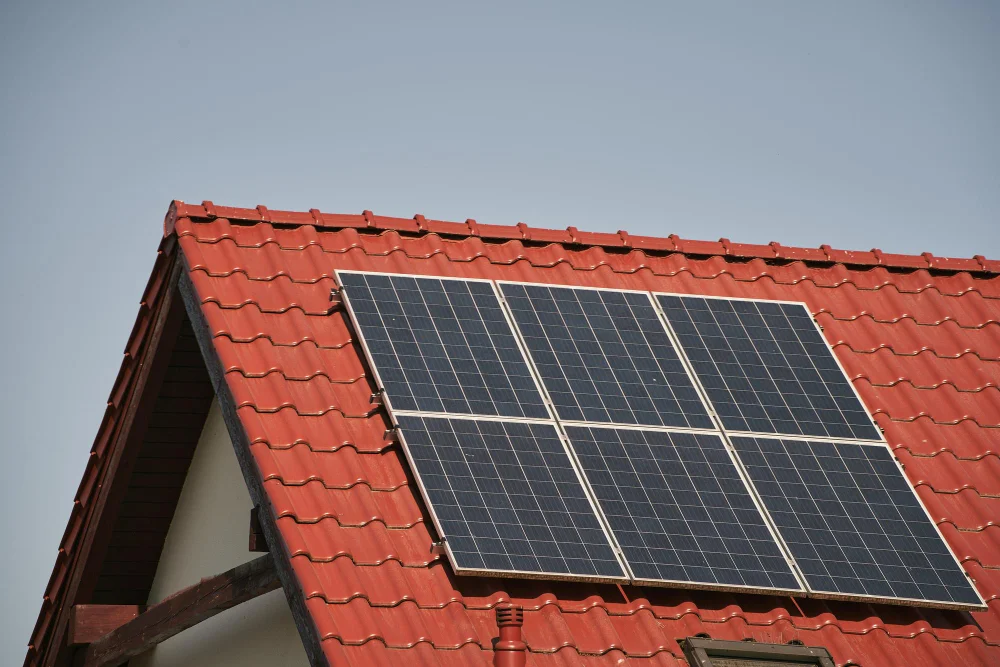
Most residential solar panels have a capacity between 250-400 watts, with each panel producing an average of 300-500 kilowatt-hours (kWh) of electricity per year, depending on factors such as location, sunlight hours, and system quality.
Factors Affecting Solar Panel Energy Production
- Sunlight Exposure: Areas with more direct sunlight will naturally see higher energy output. In the UK, the average home can expect between 800-1,100 kWh per kW of solar capacity annually.
- Panel Orientation and Angle: Panels oriented towards the south and tilted at a 30-40 degree angle maximise sunlight capture, enhancing energy production.
- Weather Conditions: Cloudy days and rain can reduce output but are mitigated by efficient systems and battery storage options.
- Panel Efficiency: Different types of panels, such as monocrystalline, polycrystalline, or thin-film, vary in efficiency and energy production.
Calculating Energy Needs vs. Solar Panel Output
To determine how many panels are required, calculate your home’s energy consumption (in kWh) and match this with the panel output based on average sunlight exposure in your area. For example, if your home uses 4,000 kWh per year, a typical 4kW solar panel system can cover most or all of your energy needs.
Maximising Energy Production
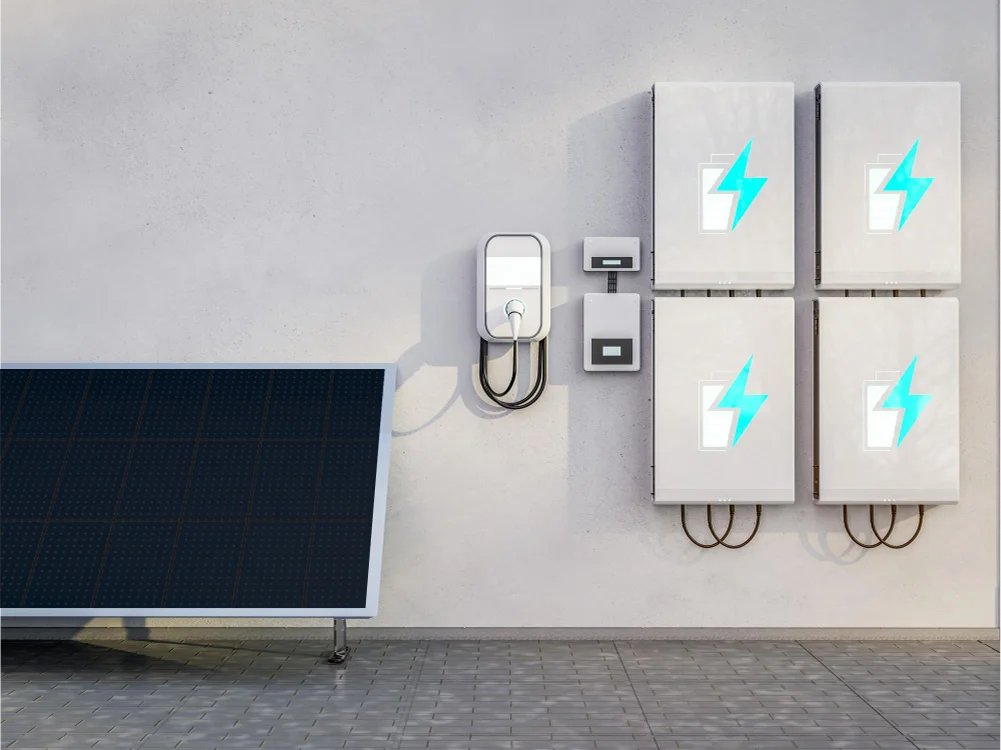
For those interested in maximising energy savings, pairing solar panels with a battery storage system allows you to store surplus energy for use during non-sunny hours, reducing reliance on the grid.
What type of property do you have?

Detached House

Semi Detached House

Terraced House

Flat or Apartment
Bungalow
It just takes 2 minutes
And then you can book a free consultation
Solar Panel Installations with All Solar Works
Understanding the energy production of solar panels can help you determine the right setup for your home and energy needs. All Solar Works offers guidance on customising a solar system to meet your unique requirements. Contact us to explore our range of solar panel and battery storage options.
Related articles


What type of property do you have?
Detached House
Semi Detached House
Terraced House
Flat or Apartment
Bungalow
At a glance
Knowing how much energy solar panels produce is key to understanding the benefits they can bring to your home. This guide breaks down the factors influencing solar panel output and how to estimate what you can expect based on location, panel type, and installation specifics.
Average Energy Output of Solar Panels
Most residential solar panels have a capacity between 250-400 watts, with each panel producing an average of 300-500 kilowatt-hours (kWh) of electricity per year, depending on factors such as location, sunlight hours, and system quality.
Factors Affecting Solar Panel Energy Production
- Sunlight Exposure: Areas with more direct sunlight will naturally see higher energy output. In the UK, the average home can expect between 800-1,100 kWh per kW of solar capacity annually.
- Panel Orientation and Angle: Panels oriented towards the south and tilted at a 30-40 degree angle maximise sunlight capture, enhancing energy production.
- Weather Conditions: Cloudy days and rain can reduce output but are mitigated by efficient systems and battery storage options.
- Panel Efficiency: Different types of panels, such as monocrystalline, polycrystalline, or thin-film, vary in efficiency and energy production.
Calculating Energy Needs vs. Solar Panel Output
To determine how many panels are required, calculate your home’s energy consumption (in kWh) and match this with the panel output based on average sunlight exposure in your area. For example, if your home uses 4,000 kWh per year, a typical 4kW solar panel system can cover most or all of your energy needs.
Maximising Energy Production
For those interested in maximising energy savings, pairing solar panels with a battery storage system allows you to store surplus energy for use during non-sunny hours, reducing reliance on the grid.
What type of property do you have?
Detached House
Semi Detached House
Terraced House
Flat or Apartment
Bungalow
It just takes 2 minutes
And then you can book a free consultation
Solar Panel Installations with All Solar Works
Understanding the energy production of solar panels can help you determine the right setup for your home and energy needs. All Solar Works offers guidance on customising a solar system to meet your unique requirements. Contact us to explore our range of solar panel and battery storage options.
Related articles
What type of property do you have?
Detached House
Semi Detached House
Terraced House
Flat or Apartment
Bungalow