What Are Solar Panels Made Of?
If you’ve ever thought about installing solar panels, you might wonder, what are solar panels made of? Understanding the materials and components that go into a solar panel can help you make an informed decision about which type of solar panel is best for your needs. In this article, we will break down the key…

Why you can trust our content
We know that the solar industry is full of misinformation, but we only use reliable sources, including:





At a glance
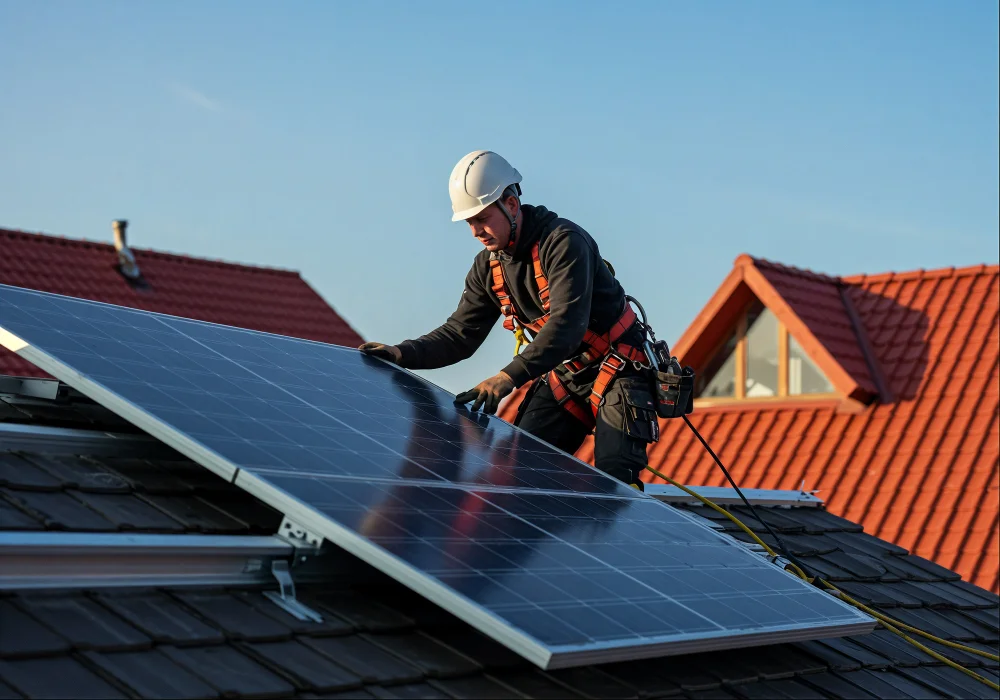
If you’ve ever thought about installing solar panels, you might wonder, what are solar panels made of? Understanding the materials and components that go into a solar panel can help you make an informed decision about which type of solar panel is best for your needs. In this article, we will break down the key elements that make up a solar panel and how they contribute to its function.
The Key Components of Solar Panels
1. Solar Cells (Photovoltaic Cells): At the heart of every solar panel are the solar cells or photovoltaic cells. These are made from semiconductor materials, usually silicon. Silicon is an excellent material for converting sunlight into electricity, which is why it is used in most solar panels today. There are two main types of silicon solar cells:
- Monocrystalline Silicon: Made from a single crystal structure, these cells are more efficient and durable but also more expensive.
- Polycrystalline Silicon: Made from silicon crystals that are melted together, these are less efficient but more affordable.
2. Glass: The top layer of a solar panel is typically made of tempered glass. This glass is durable, weather-resistant, and helps protect the solar cells from the elements while still allowing sunlight to pass through efficiently.
3. Back Sheet: The back sheet is the layer of the solar panel that sits on the bottom and is usually made of a durable polymer or plastic material. It provides insulation and protection to the solar cells from moisture and external factors.
4. Frame: The frame of the solar panel is typically made of aluminium. This lightweight, strong material provides structural support to the panel, allowing it to be easily installed and maintained. The frame also helps protect the solar cells from physical damage.
5. Junction Box: The junction box is located on the back of the solar panel and is where the electrical connections are made. This box contains the wires that carry the electricity produced by the solar cells to the inverter and ultimately to your home or business.
What type of property do you have?

Detached House

Semi Detached House
Terraced House

Flat or Apartment
Bungalow
It just takes 2 minutes
And then you can book a free consultation
Conclusion
Solar panels are composed of various high-quality materials, each playing an important role in converting sunlight into electricity. From the photovoltaic cells made of silicon to the durable glass and aluminium frame, every component is designed to maximise efficiency and longevity. As technology advances, we continue to see improvements in the materials used in solar panels, making them even more efficient and cost-effective.
At All Solar Works, we are committed to providing the best solar solutions, ensuring you get the most reliable and efficient panels for your home or business.
Related articles


What type of property do you have?
Detached House
Semi Detached House
Terraced House
Flat or Apartment
Bungalow
At a glance
If you’ve ever thought about installing solar panels, you might wonder, what are solar panels made of? Understanding the materials and components that go into a solar panel can help you make an informed decision about which type of solar panel is best for your needs. In this article, we will break down the key elements that make up a solar panel and how they contribute to its function.
The Key Components of Solar Panels
1. Solar Cells (Photovoltaic Cells): At the heart of every solar panel are the solar cells or photovoltaic cells. These are made from semiconductor materials, usually silicon. Silicon is an excellent material for converting sunlight into electricity, which is why it is used in most solar panels today. There are two main types of silicon solar cells:
- Monocrystalline Silicon: Made from a single crystal structure, these cells are more efficient and durable but also more expensive.
- Polycrystalline Silicon: Made from silicon crystals that are melted together, these are less efficient but more affordable.
2. Glass: The top layer of a solar panel is typically made of tempered glass. This glass is durable, weather-resistant, and helps protect the solar cells from the elements while still allowing sunlight to pass through efficiently.
3. Back Sheet: The back sheet is the layer of the solar panel that sits on the bottom and is usually made of a durable polymer or plastic material. It provides insulation and protection to the solar cells from moisture and external factors.
4. Frame: The frame of the solar panel is typically made of aluminium. This lightweight, strong material provides structural support to the panel, allowing it to be easily installed and maintained. The frame also helps protect the solar cells from physical damage.
5. Junction Box: The junction box is located on the back of the solar panel and is where the electrical connections are made. This box contains the wires that carry the electricity produced by the solar cells to the inverter and ultimately to your home or business.
What type of property do you have?
Detached House
Semi Detached House
Terraced House
Flat or Apartment
Bungalow
It just takes 2 minutes
And then you can book a free consultation
Conclusion
Solar panels are composed of various high-quality materials, each playing an important role in converting sunlight into electricity. From the photovoltaic cells made of silicon to the durable glass and aluminium frame, every component is designed to maximise efficiency and longevity. As technology advances, we continue to see improvements in the materials used in solar panels, making them even more efficient and cost-effective.
At All Solar Works, we are committed to providing the best solar solutions, ensuring you get the most reliable and efficient panels for your home or business.
Related articles
What type of property do you have?
Detached House
Semi Detached House
Terraced House
Flat or Apartment
Bungalow