The Role of Electrical Services in Solar Panel Installation
When people think of solar panels, they often picture just the panels mounted on rooftops. But what many don’t realise is that the panels themselves are only one part of a much more complex system. A high-performing solar setup requires expert electrical integration to ensure everything functions safely and efficiently. At All Solar Works, we…

Why you can trust our content
We know that the solar industry is full of misinformation, but we only use reliable sources, including:



At a glance
When people think of solar panels, they often picture just the panels mounted on rooftops. But what many don’t realise is that the panels themselves are only one part of a much more complex system. A high-performing solar setup requires expert electrical integration to ensure everything functions safely and efficiently.
At All Solar Works, we don’t just install panels—we handle the entire process from assessment to final grid connection. In this blog, we explain why professional electrical services are absolutely critical to a successful solar panel installation, and how choosing a qualified team protects your investment for years to come.
Understanding the Electrical Components of a Solar System
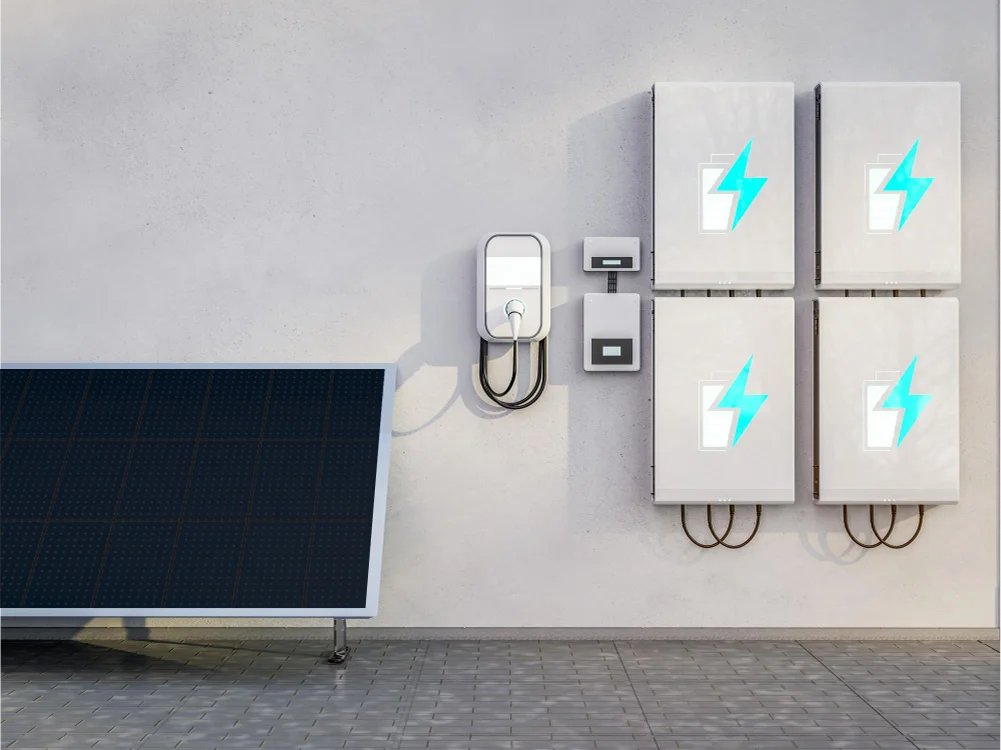
Solar panels convert sunlight into direct current (DC) electricity. However, homes and businesses in the UK use alternating current (AC), meaning an inverter is needed to convert the energy. But that’s just the beginning. A full solar power system also includes:
- DC/AC inverter (or hybrid inverter for systems with batteries)
- Generation meter to track solar output
- Consumer unit (fuse box) updates, if needed
- Wiring, junction boxes, and isolators
- Battery storage systems (optional, but increasingly popular)
- Export meter for Smart Export Guarantee schemes
- Safety mechanisms including surge protection and RCDs (residual current devices)
All of this must be integrated seamlessly into your home’s existing infrastructure. Poor or amateur installation of these components can result in fire risks, power surges, system inefficiency—or even complete system failure.
Why Qualified Electrical Services Are Essential
1. Safety Comes First
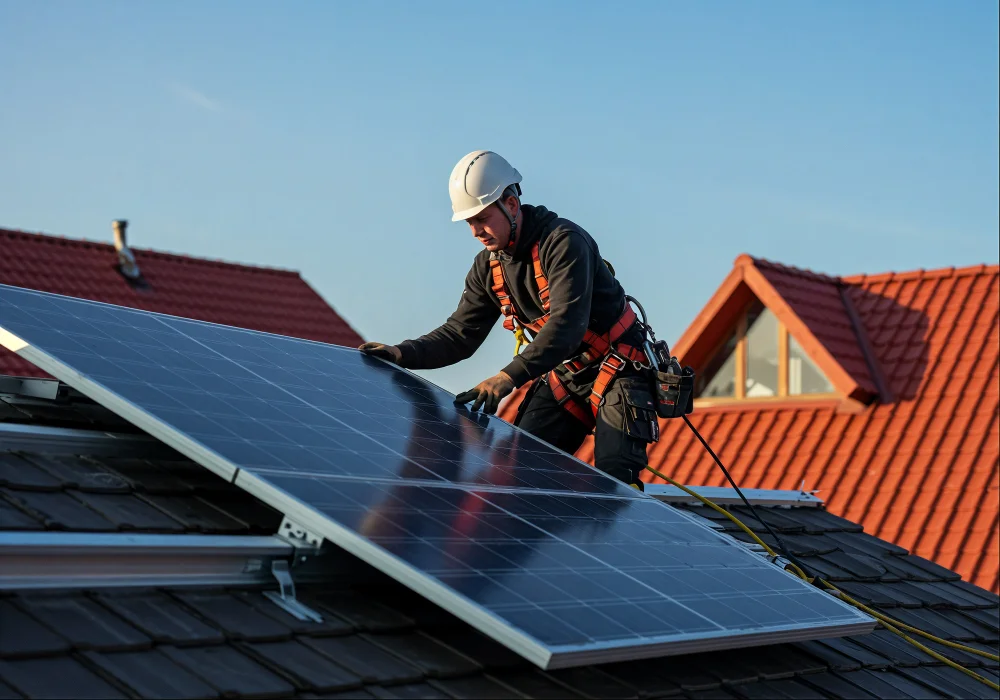
Solar systems involve both roof work and high-voltage electricity—two areas where safety cannot be compromised. Qualified electricians are trained to work with live circuits, ensure compliance with safety protocols, and anticipate issues before they arise.
Improper installation can lead to:
- Electrocution risks
- Overloaded circuits
- Fire hazards
- Non-compliance with building regulations
All Solar Works guarantees installations are carried out by fully certified professionals, ensuring your home and loved ones are protected.
2. Efficiency and Maximum Output
A solar system’s electrical configuration directly affects how much energy it can produce and how efficiently that energy is used. Correct inverter sizing, wire routing, fuse selection, and load balancing mean you get the most from every ray of sunlight.
A poorly wired system may suffer from:
- Voltage drop, reducing output
- Overheating components
- Premature inverter wear
- Limited export to the grid
Optimising every part of the setup requires an understanding of both solar and electrical engineering.
3. Regulatory Compliance
In the UK, all solar panel installations involving electrical work must comply with Part P of the Building Regulations, as well as standards outlined by organisations like:
- MCS (Microgeneration Certification Scheme)
- NAPIT or NICEIC for electrical certification
- RECC (Renewable Energy Consumer Code)
Without these approvals, you may not qualify for feed-in schemes like the Smart Export Guarantee (SEG), and insurance companies may not cover system failures or accidents.
Electrical Survey and Pre-Installation Checks
Every installation begins with a thorough electrical survey, which includes:
- Inspecting your consumer unit (fuse box) for compatibility
- Checking your main service fuse and grid connection
- Measuring available load capacity
- Reviewing earthing arrangements
- Identifying potential safety upgrades
If upgrades are needed—such as a new consumer unit or dedicated solar breaker—our team will include this in your proposal, explaining costs and options transparently.
Battery Storage: Even More Electrically Demanding
Many homeowners in the UK are now pairing solar panels with battery storage solutions like the Tesla Powerwall, GivEnergy, or SolarEdge batteries. While these improve self-consumption and savings, they add significant electrical complexity.
Battery installations require:
- Isolated circuits and breakers
- Smart switching mechanisms
- Cooling and ventilation considerations
- Monitoring and firmware updates
- Off-grid backup power protocols
Only a qualified and experienced electrician should handle such installations—especially when integrating with existing consumer units or planning future scalability.
Post-Installation: Testing, Certification, and Handover
Once the installation is complete, All Solar Works performs comprehensive testing to ensure your system meets safety and performance standards. This includes:
- Earth bonding and insulation resistance testing
- Voltage and current measurements
- Inverter commissioning
- Monitoring setup for apps or online platforms
- Final generation meter check
- System walk-through with the homeowner
You will also receive:
- MCS certificate
- Electrical Installation Certificate (EIC)
- DNO (Distribution Network Operator) approval if required
- Product warranties
- User manual and maintenance guidance
What type of property do you have?

Detached House

Semi Detached House

Terraced House

Flat or Apartment
Bungalow
It just takes 2 minutes
And then you can book a free consultation
Signs of a Poor Electrical Installation (and How to Avoid Them)
If you’ve moved into a home with an existing solar system—or used a budget installer—watch for these red flags:
- Circuit breakers frequently trip
- Excessive inverter noise or overheating
- Inaccurate energy tracking
- Visible cable damage or exposed wiring
- No MCS certificate provided
If you notice any of the above, contact a qualified solar electrician immediately. All Solar Works can carry out remedial work and system audits to get your setup back to standard.
Ongoing Maintenance and Monitoring
While solar systems require minimal maintenance, periodic electrical checks are recommended—especially for battery systems or large installations. We offer optional maintenance packages that include:
- Annual electrical inspections
- Inverter diagnostics and firmware updates
- Battery health checks
- System cleaning and panel efficiency checks
This proactive care keeps your system safe and performing at its best for years to come.
Conclusion
Your solar panels may be the most visible part of your renewable energy system—but it’s the electrical integration that determines how well everything works. From wiring and inverters to meters and batteries, the electrical backbone of your solar system must be designed and installed by professionals.
At All Solar Works, our qualified electricians are not only experienced in domestic and commercial electrical work, but also MCS-accredited solar specialists. We deliver systems that are compliant, safe, and built to last—backed by guarantees and tailored support.
If you’re ready to install solar—or have questions about an existing system—speak to our expert team today. We’ll handle everything from your roof to your fuse box, ensuring complete peace of mind.
Related articles


What type of property do you have?
Detached House
Semi Detached House
Terraced House
Flat or Apartment
Bungalow
At a glance
When people think of solar panels, they often picture just the panels mounted on rooftops. But what many don’t realise is that the panels themselves are only one part of a much more complex system. A high-performing solar setup requires expert electrical integration to ensure everything functions safely and efficiently.
At All Solar Works, we don’t just install panels—we handle the entire process from assessment to final grid connection. In this blog, we explain why professional electrical services are absolutely critical to a successful solar panel installation, and how choosing a qualified team protects your investment for years to come.
Understanding the Electrical Components of a Solar System
Solar panels convert sunlight into direct current (DC) electricity. However, homes and businesses in the UK use alternating current (AC), meaning an inverter is needed to convert the energy. But that’s just the beginning. A full solar power system also includes:
- DC/AC inverter (or hybrid inverter for systems with batteries)
- Generation meter to track solar output
- Consumer unit (fuse box) updates, if needed
- Wiring, junction boxes, and isolators
- Battery storage systems (optional, but increasingly popular)
- Export meter for Smart Export Guarantee schemes
- Safety mechanisms including surge protection and RCDs (residual current devices)
All of this must be integrated seamlessly into your home’s existing infrastructure. Poor or amateur installation of these components can result in fire risks, power surges, system inefficiency—or even complete system failure.
Why Qualified Electrical Services Are Essential
1. Safety Comes First
Solar systems involve both roof work and high-voltage electricity—two areas where safety cannot be compromised. Qualified electricians are trained to work with live circuits, ensure compliance with safety protocols, and anticipate issues before they arise.
Improper installation can lead to:
- Electrocution risks
- Overloaded circuits
- Fire hazards
- Non-compliance with building regulations
All Solar Works guarantees installations are carried out by fully certified professionals, ensuring your home and loved ones are protected.
2. Efficiency and Maximum Output
A solar system’s electrical configuration directly affects how much energy it can produce and how efficiently that energy is used. Correct inverter sizing, wire routing, fuse selection, and load balancing mean you get the most from every ray of sunlight.
A poorly wired system may suffer from:
- Voltage drop, reducing output
- Overheating components
- Premature inverter wear
- Limited export to the grid
Optimising every part of the setup requires an understanding of both solar and electrical engineering.
3. Regulatory Compliance
In the UK, all solar panel installations involving electrical work must comply with Part P of the Building Regulations, as well as standards outlined by organisations like:
- MCS (Microgeneration Certification Scheme)
- NAPIT or NICEIC for electrical certification
- RECC (Renewable Energy Consumer Code)
Without these approvals, you may not qualify for feed-in schemes like the Smart Export Guarantee (SEG), and insurance companies may not cover system failures or accidents.
Electrical Survey and Pre-Installation Checks
Every installation begins with a thorough electrical survey, which includes:
- Inspecting your consumer unit (fuse box) for compatibility
- Checking your main service fuse and grid connection
- Measuring available load capacity
- Reviewing earthing arrangements
- Identifying potential safety upgrades
If upgrades are needed—such as a new consumer unit or dedicated solar breaker—our team will include this in your proposal, explaining costs and options transparently.
Battery Storage: Even More Electrically Demanding
Many homeowners in the UK are now pairing solar panels with battery storage solutions like the Tesla Powerwall, GivEnergy, or SolarEdge batteries. While these improve self-consumption and savings, they add significant electrical complexity.
Battery installations require:
- Isolated circuits and breakers
- Smart switching mechanisms
- Cooling and ventilation considerations
- Monitoring and firmware updates
- Off-grid backup power protocols
Only a qualified and experienced electrician should handle such installations—especially when integrating with existing consumer units or planning future scalability.
Post-Installation: Testing, Certification, and Handover
Once the installation is complete, All Solar Works performs comprehensive testing to ensure your system meets safety and performance standards. This includes:
- Earth bonding and insulation resistance testing
- Voltage and current measurements
- Inverter commissioning
- Monitoring setup for apps or online platforms
- Final generation meter check
- System walk-through with the homeowner
You will also receive:
- MCS certificate
- Electrical Installation Certificate (EIC)
- DNO (Distribution Network Operator) approval if required
- Product warranties
- User manual and maintenance guidance
What type of property do you have?
Detached House
Semi Detached House
Terraced House
Flat or Apartment
Bungalow
It just takes 2 minutes
And then you can book a free consultation
Signs of a Poor Electrical Installation (and How to Avoid Them)
If you’ve moved into a home with an existing solar system—or used a budget installer—watch for these red flags:
- Circuit breakers frequently trip
- Excessive inverter noise or overheating
- Inaccurate energy tracking
- Visible cable damage or exposed wiring
- No MCS certificate provided
If you notice any of the above, contact a qualified solar electrician immediately. All Solar Works can carry out remedial work and system audits to get your setup back to standard.
Ongoing Maintenance and Monitoring
While solar systems require minimal maintenance, periodic electrical checks are recommended—especially for battery systems or large installations. We offer optional maintenance packages that include:
- Annual electrical inspections
- Inverter diagnostics and firmware updates
- Battery health checks
- System cleaning and panel efficiency checks
This proactive care keeps your system safe and performing at its best for years to come.
Conclusion
Your solar panels may be the most visible part of your renewable energy system—but it’s the electrical integration that determines how well everything works. From wiring and inverters to meters and batteries, the electrical backbone of your solar system must be designed and installed by professionals.
At All Solar Works, our qualified electricians are not only experienced in domestic and commercial electrical work, but also MCS-accredited solar specialists. We deliver systems that are compliant, safe, and built to last—backed by guarantees and tailored support.
If you’re ready to install solar—or have questions about an existing system—speak to our expert team today. We’ll handle everything from your roof to your fuse box, ensuring complete peace of mind.
Related articles
What type of property do you have?
Detached House
Semi Detached House
Terraced House
Flat or Apartment
Bungalow