What Maintenance Do Solar Panels Need? A UK Homeowner’s Guide
Introduction One of the most common questions we get from homeowners considering solar panels is: “How much maintenance do they actually need?” The good news is that solar panels are known for being low maintenance — especially in the UK. However, like any part of your home, they benefit from the occasional check-up to keep…

Why you can trust our content
We know that the solar industry is full of misinformation, but we only use reliable sources, including:



At a glance
Introduction
One of the most common questions we get from homeowners considering solar panels is: “How much maintenance do they actually need?” The good news is that solar panels are known for being low maintenance — especially in the UK. However, like any part of your home, they benefit from the occasional check-up to keep them working efficiently.
In this guide, we’ll explain what’s involved in maintaining your solar PV system, how often you should have it serviced, and whether professional cleaning is necessary in the UK climate.
How Do Solar Panels Work?
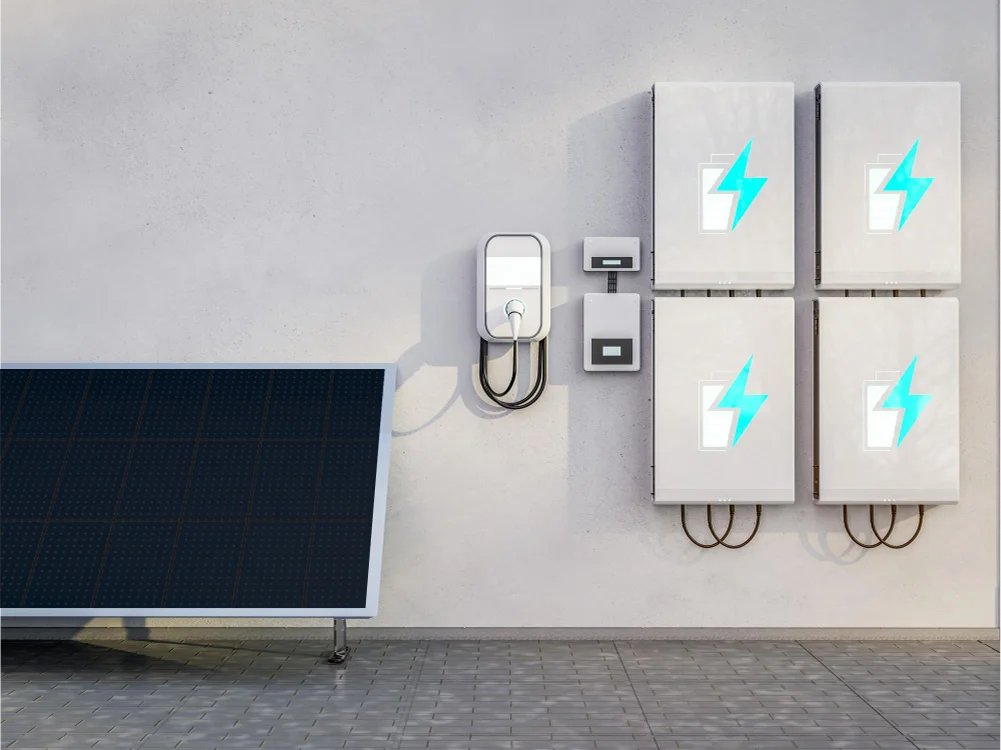
Before diving into maintenance, it helps to understand the basic structure of your system. A typical domestic solar PV system includes:
Most issues that occur are more likely to affect the inverter or electrics, not the panels themselves — which are incredibly durable.
Are Solar Panels Really Maintenance-Free?
Not quite — but they’re very close. Solar PV systems don’t have any moving parts, so there’s minimal wear and tear. That said, to maintain peak efficiency and maximise your return on investment, a few basic maintenance steps are recommended.
What You Don’t Need to Worry About:
Cleaning Solar Panels: Is It Necessary in the UK?
Generally, the answer is no — regular rainfall is enough to keep panels clean across most parts of the UK. However, there are some exceptions to consider:
You might need to clean your panels if:
Dirty panels can reduce efficiency by 5–15%, so it’s worth monitoring performance through your system’s monitoring app and visually checking your roof occasionally.
How to Clean Solar Panels (if needed):
Professional Servicing and Inspections
Even though the panels themselves require little upkeep, your inverter and electrical connections should be inspected periodically.
Recommended service schedule:
At All Solar Works, we offer optional solar health check services, including system diagnostics, performance tracking, and cleaning (if needed).
Warranties and Guarantees
Most solar panels installed in the UK come with:
These warranties reduce the need for maintenance-related costs, as many issues can be resolved under manufacturer cover.
Remote Monitoring and Performance Tracking
Nearly all modern solar systems come with online monitoring portals or apps where you can track daily output, faults, or anomalies. Some even send alerts when the system is underperforming — giving you the chance to respond quickly.
If your system output drops significantly, it may indicate:
In these cases, it’s best to contact your installer for diagnosis.
What type of property do you have?

Detached House

Semi Detached House

Terraced House

Flat or Apartment
Bungalow
It just takes 2 minutes
And then you can book a free consultation
Common Issues to Look Out For
While rare, the following issues may affect performance and require attention:
Always consult an MCS-certified installer or electrician — never attempt to repair or rewire solar equipment yourself.
What About Battery Maintenance?
If you’ve added battery storage to your solar system, here’s what you need to know:
DIY vs. Professional Maintenance
Here’s a simple guide to what you can do yourself vs. what needs a professional:
| Task | Who Should Do It |
| Visual inspection (debris, dirt) | Homeowner |
| Monitoring app check | Homeowner |
| Cleaning panels (safe access) | Homeowner or cleaner |
| Inverter inspection | Qualified electrician |
| Wiring or fault diagnosis | MCS-certified installer |
Final Thoughts
In summary, solar panels are one of the lowest-maintenance investments you can make for your home. With minimal cleaning and occasional system checks, your solar PV system will keep generating clean, free electricity for decades.By partnering with a trusted installer like All Solar Works, you gain access to long-term support, expert advice, and system health checks that ensure your panels keep working at peak performance — rain or shine.
Thinking of Going Solar?
Whether you’re in West Sussex, Surrey or the wider South East, All Solar Works provides end-to-end solar installations, battery storage, and aftercare services to keep your system running smoothly for years to come.
Related articles


What type of property do you have?
Detached House
Semi Detached House
Terraced House
Flat or Apartment
Bungalow
At a glance
Introduction
One of the most common questions we get from homeowners considering solar panels is: “How much maintenance do they actually need?” The good news is that solar panels are known for being low maintenance — especially in the UK. However, like any part of your home, they benefit from the occasional check-up to keep them working efficiently.
In this guide, we’ll explain what’s involved in maintaining your solar PV system, how often you should have it serviced, and whether professional cleaning is necessary in the UK climate.
How Do Solar Panels Work?
Before diving into maintenance, it helps to understand the basic structure of your system. A typical domestic solar PV system includes:
Most issues that occur are more likely to affect the inverter or electrics, not the panels themselves — which are incredibly durable.
Are Solar Panels Really Maintenance-Free?
Not quite — but they’re very close. Solar PV systems don’t have any moving parts, so there’s minimal wear and tear. That said, to maintain peak efficiency and maximise your return on investment, a few basic maintenance steps are recommended.
What You Don’t Need to Worry About:
Cleaning Solar Panels: Is It Necessary in the UK?
Generally, the answer is no — regular rainfall is enough to keep panels clean across most parts of the UK. However, there are some exceptions to consider:
You might need to clean your panels if:
Dirty panels can reduce efficiency by 5–15%, so it’s worth monitoring performance through your system’s monitoring app and visually checking your roof occasionally.
How to Clean Solar Panels (if needed):
Professional Servicing and Inspections
Even though the panels themselves require little upkeep, your inverter and electrical connections should be inspected periodically.
Recommended service schedule:
At All Solar Works, we offer optional solar health check services, including system diagnostics, performance tracking, and cleaning (if needed).
Warranties and Guarantees
Most solar panels installed in the UK come with:
These warranties reduce the need for maintenance-related costs, as many issues can be resolved under manufacturer cover.
Remote Monitoring and Performance Tracking
Nearly all modern solar systems come with online monitoring portals or apps where you can track daily output, faults, or anomalies. Some even send alerts when the system is underperforming — giving you the chance to respond quickly.
If your system output drops significantly, it may indicate:
In these cases, it’s best to contact your installer for diagnosis.
What type of property do you have?
Detached House
Semi Detached House
Terraced House
Flat or Apartment
Bungalow
It just takes 2 minutes
And then you can book a free consultation
Common Issues to Look Out For
While rare, the following issues may affect performance and require attention:
Always consult an MCS-certified installer or electrician — never attempt to repair or rewire solar equipment yourself.
What About Battery Maintenance?
If you’ve added battery storage to your solar system, here’s what you need to know:
DIY vs. Professional Maintenance
Here’s a simple guide to what you can do yourself vs. what needs a professional:
| Task | Who Should Do It |
| Visual inspection (debris, dirt) | Homeowner |
| Monitoring app check | Homeowner |
| Cleaning panels (safe access) | Homeowner or cleaner |
| Inverter inspection | Qualified electrician |
| Wiring or fault diagnosis | MCS-certified installer |
Final Thoughts
In summary, solar panels are one of the lowest-maintenance investments you can make for your home. With minimal cleaning and occasional system checks, your solar PV system will keep generating clean, free electricity for decades.By partnering with a trusted installer like All Solar Works, you gain access to long-term support, expert advice, and system health checks that ensure your panels keep working at peak performance — rain or shine.
Thinking of Going Solar?
Whether you’re in West Sussex, Surrey or the wider South East, All Solar Works provides end-to-end solar installations, battery storage, and aftercare services to keep your system running smoothly for years to come.
Related articles
What type of property do you have?
Detached House
Semi Detached House
Terraced House
Flat or Apartment
Bungalow