

Flat Roof Materials Explained: Which Option is Best for Your Property?
Choosing the right material for your flat roof is one of the most important decisions you’ll make when planning a new build, extension or roof replacement. Each material comes with its own advantages and considerations, and the right choice will depend on factors such as your budget, aesthetic preferences, and how you intend to use…

Why you can trust our content
We understand that the roofing industry can be confusing, with plenty of outdated or misleading information. That’s why we rely only on trusted, proven sources to guide our advice and installations:






At a glance
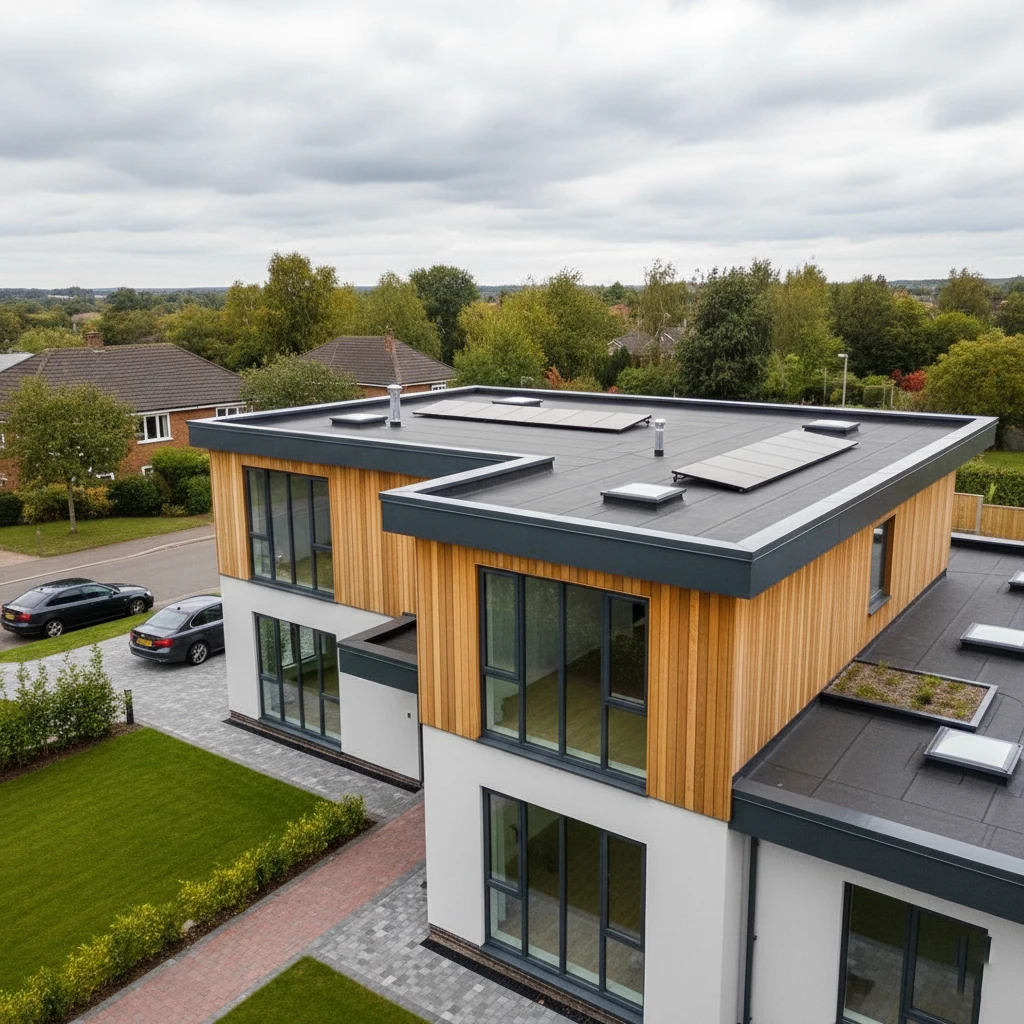
Choosing the right material for your flat roof is one of the most important decisions you’ll make when planning a new build, extension or roof replacement. Each material comes with its own advantages and considerations, and the right choice will depend on factors such as your budget, aesthetic preferences, and how you intend to use the space.
In this guide, we’ll explore the most popular flat roofing materials available today, helping you understand the differences and choose the best option for your property.
EPDM Rubber Roofing
EPDM (Ethylene Propylene Diene Monomer) rubber roofing is one of the most widely used materials for flat roofs across the UK. Known for its exceptional durability and flexibility, EPDM can withstand extreme temperatures, heavy rain and strong UV rays without cracking or deteriorating.
An EPDM rubber flat roof is often installed in a single sheet, reducing the number of seams and the risk of leaks. This material is also very low maintenance, requiring little more than occasional cleaning to keep it in excellent condition.
Another major advantage is its lifespan. EPDM roofs can last upwards of 40 years when properly installed, making them a smart long-term investment. Although the initial cost can be slightly higher than felt roofing, the minimal maintenance and long lifespan often make them more cost-effective in the long run.
Fibreglass Flat Roofing
Glass Reinforced Plastic, or fibreglass, is another popular choice for flat roofs. Fibreglass roofs are known for their sleek, modern appearance and completely seamless finish. Because the material is applied as a liquid and then reinforced with fibreglass matting, it creates a solid, waterproof surface with no weak points.
A well-installed fibreglass roof is highly resistant to weathering, impact, and even foot traffic. This makes it a great option if you are considering using your flat roof as a terrace or green roof in the future.
Fibreglass roofs typically have a lifespan of around 30 years or more and require minimal maintenance. However, installation must be carried out in dry conditions and by experienced professionals to avoid problems with cracking or delamination.
Traditional Felt Roofing
Felt roofing has been used on flat roofs for decades and remains a reliable and affordable option. Modern felt roofs are built up in layers and usually finished with a mineral surface for extra protection against the elements.
Felt roofing is often chosen for extensions and garages because of its low cost and relatively straightforward installation process. It’s particularly suitable for smaller flat roof areas where budgets are tighter.
While felt roofs generally have a shorter lifespan compared to rubber or fibreglass — typically around 10 to 20 years — advances in materials have improved their durability. Regular inspections and prompt repairs can help extend the life of a felt roof significantly.
Green Roof Systems
For homeowners looking to make an eco-friendly choice, green roofs are a fantastic option. These living roofs involve installing a waterproof flat roofing membrane, over which soil and vegetation are laid.
Green roofs provide excellent insulation, helping to regulate your home’s temperature, and they promote biodiversity by supporting plants, bees, and other wildlife. They also absorb rainwater, reducing runoff and the risk of flooding.
Installing a green roof does require careful planning and a robust base structure, as the additional weight of soil and plants needs to be supported safely. However, the environmental benefits, natural beauty, and extended roof lifespan make green roofs an increasingly popular choice.
What Type of Roof Do You Have?
Please select the roof type of your property. This helps us determine the best installation method and equipment for your home.
Flat Roof

Pitched Roof
It just takes 60 Sec
And then you can book a free consultation
How to Choose the Right Flat Roof Material
Choosing the best material for your flat roof depends on several factors:
- Budget: Traditional felt roofs are usually the most affordable upfront, while EPDM and fibreglass may require a higher initial investment but offer longer lifespans.
- Intended Use: If you plan to walk on the roof or create a usable space like a terrace, fibreglass or reinforced systems are recommended.
- Aesthetic Preferences: For a sleek, seamless look, fibreglass is ideal. If you want a natural, environmentally friendly finish, a green roof may be perfect.
- Maintenance Needs: Rubber and fibreglass roofs are low-maintenance compared to traditional felt.
- Longevity: If you’re looking for a roofing solution that will last for decades with minimal repairs, EPDM rubber or fibreglass are excellent options.
Expert Advice for Your Flat Roof Project
At All Roofing Works, we specialise in installing a wide range of flat roofing systems across East Sussex, West Sussex and Hampshire and the surrounding areas. We have years of experience in the roofing industry and can provide expert advice and professional installation.
Contact us today for a free, no-obligation consultation and find out which flat roof material is the best fit for your home or extension.
Related articles
What Type of Roof Do You Have?
Please select the roof type of your property. This helps us determine the best installation method and equipment for your home.
Flat Roof
Pitched Roof

Commercial Roof
At a glance
Choosing the right material for your flat roof is one of the most important decisions you’ll make when planning a new build, extension or roof replacement. Each material comes with its own advantages and considerations, and the right choice will depend on factors such as your budget, aesthetic preferences, and how you intend to use the space.
In this guide, we’ll explore the most popular flat roofing materials available today, helping you understand the differences and choose the best option for your property.
EPDM Rubber Roofing
EPDM (Ethylene Propylene Diene Monomer) rubber roofing is one of the most widely used materials for flat roofs across the UK. Known for its exceptional durability and flexibility, EPDM can withstand extreme temperatures, heavy rain and strong UV rays without cracking or deteriorating.
An EPDM rubber flat roof is often installed in a single sheet, reducing the number of seams and the risk of leaks. This material is also very low maintenance, requiring little more than occasional cleaning to keep it in excellent condition.
Another major advantage is its lifespan. EPDM roofs can last upwards of 40 years when properly installed, making them a smart long-term investment. Although the initial cost can be slightly higher than felt roofing, the minimal maintenance and long lifespan often make them more cost-effective in the long run.
Fibreglass Flat Roofing
Glass Reinforced Plastic, or fibreglass, is another popular choice for flat roofs. Fibreglass roofs are known for their sleek, modern appearance and completely seamless finish. Because the material is applied as a liquid and then reinforced with fibreglass matting, it creates a solid, waterproof surface with no weak points.
A well-installed fibreglass roof is highly resistant to weathering, impact, and even foot traffic. This makes it a great option if you are considering using your flat roof as a terrace or green roof in the future.
Fibreglass roofs typically have a lifespan of around 30 years or more and require minimal maintenance. However, installation must be carried out in dry conditions and by experienced professionals to avoid problems with cracking or delamination.
Traditional Felt Roofing
Felt roofing has been used on flat roofs for decades and remains a reliable and affordable option. Modern felt roofs are built up in layers and usually finished with a mineral surface for extra protection against the elements.
Felt roofing is often chosen for extensions and garages because of its low cost and relatively straightforward installation process. It’s particularly suitable for smaller flat roof areas where budgets are tighter.
While felt roofs generally have a shorter lifespan compared to rubber or fibreglass — typically around 10 to 20 years — advances in materials have improved their durability. Regular inspections and prompt repairs can help extend the life of a felt roof significantly.
Green Roof Systems
For homeowners looking to make an eco-friendly choice, green roofs are a fantastic option. These living roofs involve installing a waterproof flat roofing membrane, over which soil and vegetation are laid.
Green roofs provide excellent insulation, helping to regulate your home’s temperature, and they promote biodiversity by supporting plants, bees, and other wildlife. They also absorb rainwater, reducing runoff and the risk of flooding.
Installing a green roof does require careful planning and a robust base structure, as the additional weight of soil and plants needs to be supported safely. However, the environmental benefits, natural beauty, and extended roof lifespan make green roofs an increasingly popular choice.
What Type of Roof Do You Have?
Please select the roof type of your property. This helps us determine the best installation method and equipment for your home.
Flat Roof
Pitched Roof
It just takes 60 Sec
And then you can book a free consultation
How to Choose the Right Flat Roof Material
Choosing the best material for your flat roof depends on several factors:
- Budget: Traditional felt roofs are usually the most affordable upfront, while EPDM and fibreglass may require a higher initial investment but offer longer lifespans.
- Intended Use: If you plan to walk on the roof or create a usable space like a terrace, fibreglass or reinforced systems are recommended.
- Aesthetic Preferences: For a sleek, seamless look, fibreglass is ideal. If you want a natural, environmentally friendly finish, a green roof may be perfect.
- Maintenance Needs: Rubber and fibreglass roofs are low-maintenance compared to traditional felt.
- Longevity: If you’re looking for a roofing solution that will last for decades with minimal repairs, EPDM rubber or fibreglass are excellent options.
Expert Advice for Your Flat Roof Project
At All Roofing Works, we specialise in installing a wide range of flat roofing systems across East Sussex, West Sussex and Hampshire and the surrounding areas. We have years of experience in the roofing industry and can provide expert advice and professional installation.
Contact us today for a free, no-obligation consultation and find out which flat roof material is the best fit for your home or extension.
Related articles
What Type of Roof Do You Have?
Please select the roof type of your property. This helps us determine the best installation method and equipment for your home.
Flat Roof
Pitched Roof
Commercial Roof