Are Solar Panels Worth It in the UK Climate?
Introduction When many UK homeowners consider solar panels, the first concern that often arises is our famously grey and rainy weather. It’s a fair question: Are solar panels really worth it in the UK climate? Despite the lack of year-round sunshine, the UK has seen a rapid rise in domestic solar installations — and for…

Why you can trust our content
We know that the solar industry is full of misinformation, but we only use reliable sources, including:




At a glance
Introduction
When many UK homeowners consider solar panels, the first concern that often arises is our famously grey and rainy weather. It’s a fair question: Are solar panels really worth it in the UK climate? Despite the lack of year-round sunshine, the UK has seen a rapid rise in domestic solar installations — and for good reason. In this blog, we’ll explore how solar panels perform in the UK, how much you can expect to save, and why the return on investment remains strong even without Mediterranean sunshine.
Do Solar Panels Work in Cloudy Weather?
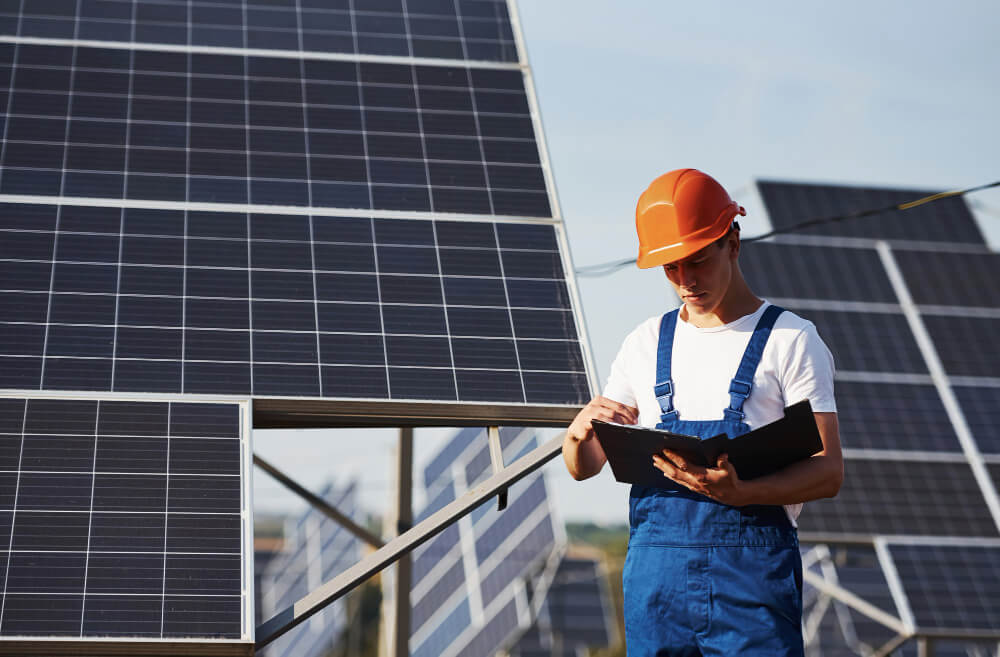
Absolutely. Modern solar panels are designed to be efficient even in low-light conditions. While their output is strongest under direct sunlight, they can still generate electricity on overcast days thanks to the way photovoltaic (PV) technology works.
Most panels used today are monocrystalline or polycrystalline, both of which can absorb diffused sunlight — the kind we get on typical UK days. While energy generation may dip during winter or heavy cloud cover, your system still works year-round.
UK Solar Performance: The Stats
This output is enough to significantly reduce your reliance on grid electricity, particularly if you pair your system with battery storage.
Financial Savings: What Can You Expect?
1. Reduced Electricity Bills
One of the biggest benefits of solar panels is the long-term savings on your electricity bills. The more electricity you generate and use, the less you need to buy from your energy supplier. With electricity prices continuing to rise, this can lead to significant cost reductions over time.
2. Smart Export Guarantee (SEG) Payments
Under the UK’s Smart Export Guarantee (SEG), you’re paid for any surplus electricity you export back to the grid. Tariffs vary by provider but can range from 2p to 15p per kWh.
This offers an additional revenue stream and speeds up the return on your solar investment.
Cost vs Value: Return on Investment
Most domestic solar panel systems cost between £5,000–£7,500 depending on the size, panel type, and installer. While that may seem like a large upfront cost, the long-term savings and SEG payments mean systems typically pay for themselves in 7–10 years — often sooner with rising energy prices.
Many panels come with 25–30 year warranties, meaning you’ll likely see over a decade of pure savings after your system has paid for itself.
Environmental Benefits
Beyond financial incentives, there’s also the positive environmental impact to consider:
What type of property do you have?

Detached House

Semi Detached House

Terraced House

Flat or Apartment
Bungalow
It just takes 2 minutes
And then you can book a free consultation
What About Winter?
Yes, solar panels generate less electricity during winter, but they still work — just at a reduced rate. And here’s the good news: you don’t need solar to meet 100% of your usage to make it worthwhile. Even partial self-generation reduces bills and carbon footprint significantly.
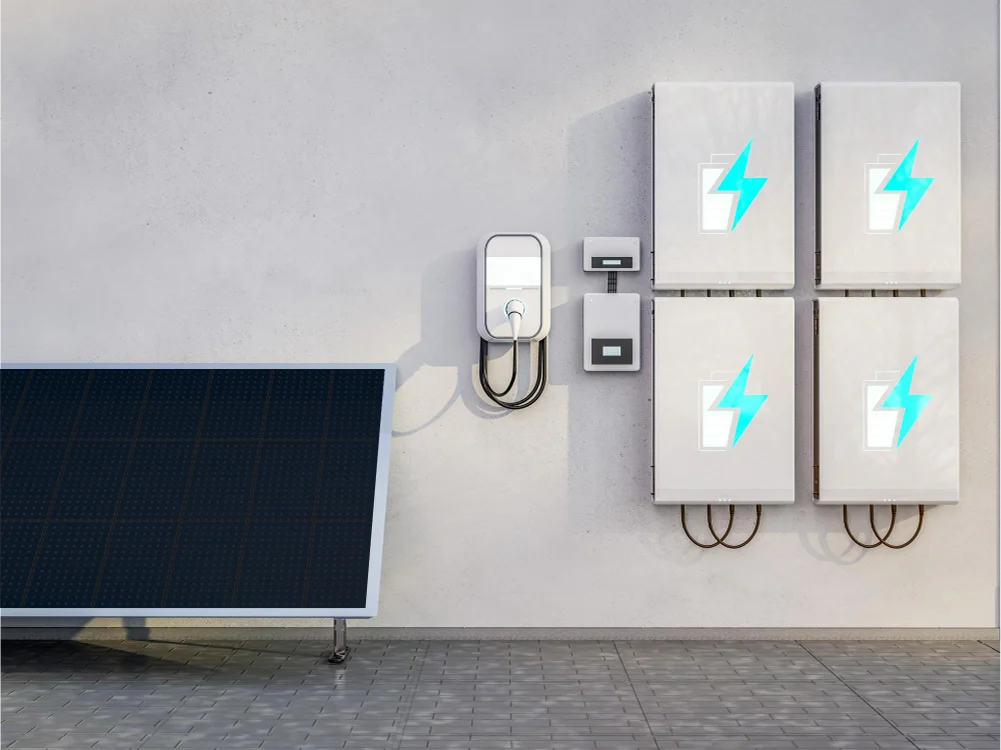
Battery storage also helps smooth out the seasonal dips by storing excess energy from sunny days for use during darker periods.
Do You Need Planning Permission?
In most cases, no. Domestic solar panels are considered permitted development in the UK, meaning planning permission isn’t required as long as:
However, it’s always best to check with your local council or solar installer before proceeding.
Solar and the UK Grid: A Growing Match
The UK government has been heavily promoting renewable energy, and the National Grid is increasingly capable of handling decentralised, domestic generation. Combined with smart meters and home automation, solar panel systems now integrate more effectively than ever before into the wider grid infrastructure.
Final Thoughts: Yes, Solar Panels Are Absolutely Worth It
Despite our reputation for cloudy skies, solar panels make both financial and environmental sense in the UK. Thanks to advances in solar technology, attractive export tariffs, and strong long-term savings, homeowners across the country are seeing real benefits from going solar.
If you’re based in West Sussex, Surrey or surrounding areas and are considering solar energy for your home, All Solar Works can offer expert guidance, MCS-certified installations, and competitive pricing. We also offer free home surveys, flexible finance options, and battery storage solutions to maximise your energy independence.
Ready to Take the Next Step?
Book your free solar assessment today with All Solar Works and find out how much you could save — even under grey skies.
Related articles


What type of property do you have?
Detached House
Semi Detached House
Terraced House
Flat or Apartment
Bungalow
At a glance
Introduction
When many UK homeowners consider solar panels, the first concern that often arises is our famously grey and rainy weather. It’s a fair question: Are solar panels really worth it in the UK climate? Despite the lack of year-round sunshine, the UK has seen a rapid rise in domestic solar installations — and for good reason. In this blog, we’ll explore how solar panels perform in the UK, how much you can expect to save, and why the return on investment remains strong even without Mediterranean sunshine.
Do Solar Panels Work in Cloudy Weather?
Absolutely. Modern solar panels are designed to be efficient even in low-light conditions. While their output is strongest under direct sunlight, they can still generate electricity on overcast days thanks to the way photovoltaic (PV) technology works.
Most panels used today are monocrystalline or polycrystalline, both of which can absorb diffused sunlight — the kind we get on typical UK days. While energy generation may dip during winter or heavy cloud cover, your system still works year-round.
UK Solar Performance: The Stats
This output is enough to significantly reduce your reliance on grid electricity, particularly if you pair your system with battery storage.
Financial Savings: What Can You Expect?
1. Reduced Electricity Bills
One of the biggest benefits of solar panels is the long-term savings on your electricity bills. The more electricity you generate and use, the less you need to buy from your energy supplier. With electricity prices continuing to rise, this can lead to significant cost reductions over time.
2. Smart Export Guarantee (SEG) Payments
Under the UK’s Smart Export Guarantee (SEG), you’re paid for any surplus electricity you export back to the grid. Tariffs vary by provider but can range from 2p to 15p per kWh.
This offers an additional revenue stream and speeds up the return on your solar investment.
Cost vs Value: Return on Investment
Most domestic solar panel systems cost between £5,000–£7,500 depending on the size, panel type, and installer. While that may seem like a large upfront cost, the long-term savings and SEG payments mean systems typically pay for themselves in 7–10 years — often sooner with rising energy prices.
Many panels come with 25–30 year warranties, meaning you’ll likely see over a decade of pure savings after your system has paid for itself.
Environmental Benefits
Beyond financial incentives, there’s also the positive environmental impact to consider:
What type of property do you have?
Detached House
Semi Detached House
Terraced House
Flat or Apartment
Bungalow
It just takes 2 minutes
And then you can book a free consultation
What About Winter?
Yes, solar panels generate less electricity during winter, but they still work — just at a reduced rate. And here’s the good news: you don’t need solar to meet 100% of your usage to make it worthwhile. Even partial self-generation reduces bills and carbon footprint significantly.
Battery storage also helps smooth out the seasonal dips by storing excess energy from sunny days for use during darker periods.
Do You Need Planning Permission?
In most cases, no. Domestic solar panels are considered permitted development in the UK, meaning planning permission isn’t required as long as:
However, it’s always best to check with your local council or solar installer before proceeding.
Solar and the UK Grid: A Growing Match
The UK government has been heavily promoting renewable energy, and the National Grid is increasingly capable of handling decentralised, domestic generation. Combined with smart meters and home automation, solar panel systems now integrate more effectively than ever before into the wider grid infrastructure.
Final Thoughts: Yes, Solar Panels Are Absolutely Worth It
Despite our reputation for cloudy skies, solar panels make both financial and environmental sense in the UK. Thanks to advances in solar technology, attractive export tariffs, and strong long-term savings, homeowners across the country are seeing real benefits from going solar.
If you’re based in West Sussex, Surrey or surrounding areas and are considering solar energy for your home, All Solar Works can offer expert guidance, MCS-certified installations, and competitive pricing. We also offer free home surveys, flexible finance options, and battery storage solutions to maximise your energy independence.
Ready to Take the Next Step?
Book your free solar assessment today with All Solar Works and find out how much you could save — even under grey skies.
Related articles
What type of property do you have?
Detached House
Semi Detached House
Terraced House
Flat or Apartment
Bungalow