How to Get the Best Performance from Your Solar Panels in Worthing
Solar panels are a long-term investment, but their real value comes down to performance over time. In coastal towns like Worthing, local conditions, roof design and system setup all play a role in how much usable electricity your system produces year after year. This guide explains how homeowners can get the most from their solar…

Why you can trust our content
We know that the solar industry is full of misinformation, but we only use reliable sources, including:




At a glance
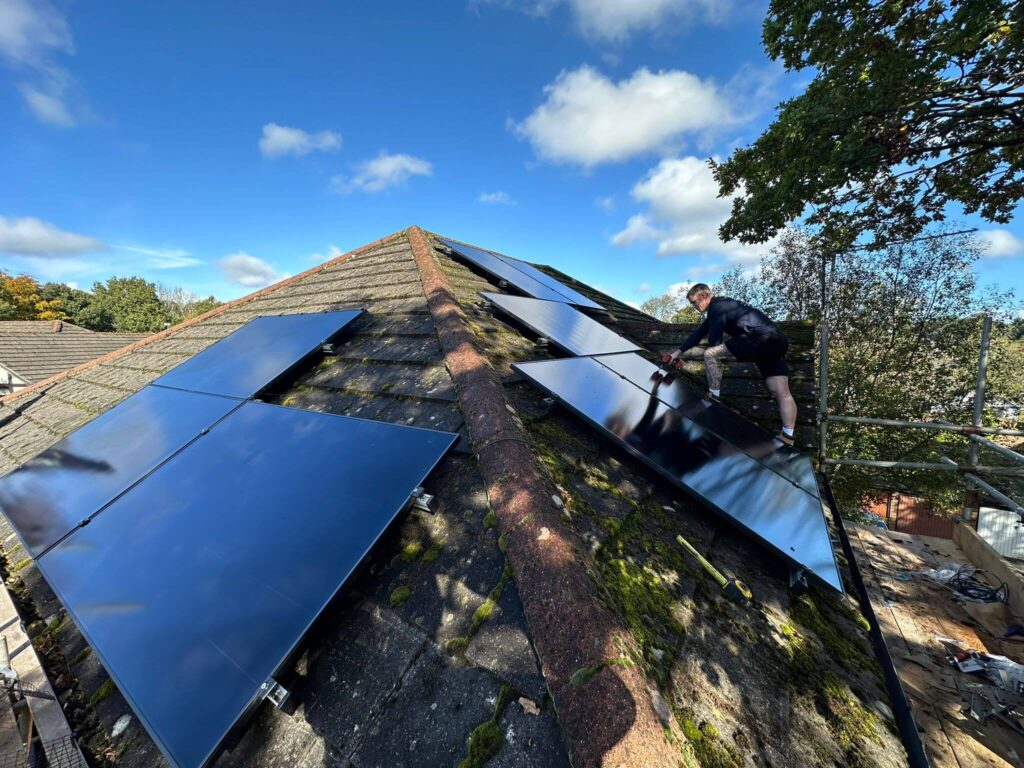
Solar panels are a long-term investment, but their real value comes down to performance over time. In coastal towns like Worthing, local conditions, roof design and system setup all play a role in how much usable electricity your system produces year after year.
This guide explains how homeowners can get the most from their solar setup, whether you are planning an installation or already generating power. The focus is on practical steps, realistic expectations and the factors that genuinely influence output rather than headline figures.
What affects solar panel performance in Worthing?
Solar performance is influenced by a mix of environmental, technical and household factors. Understanding these early helps set realistic expectations and avoids disappointment later.
Key influences include:
Homes across solar worthing often see strong annual generation due to relatively mild temperatures, which help panels operate efficiently without overheating during summer months.
Is your roof suitable for maximum solar output?
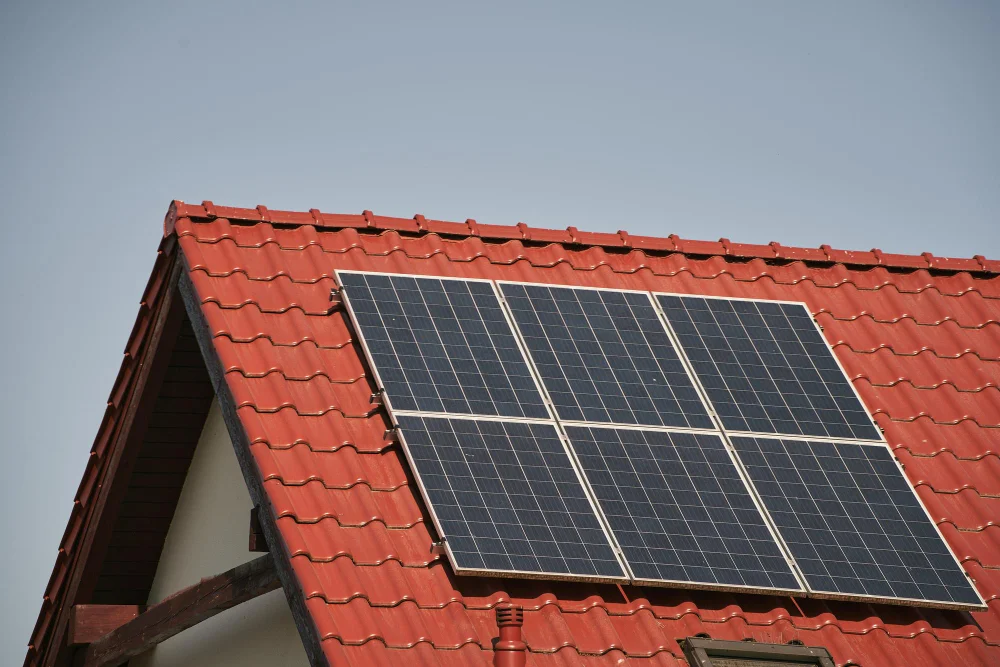
South-facing roofs tend to deliver the highest output, but they are not the only viable option. East and west-facing systems can still perform very well, especially when paired with battery storage.
When assessing roof suitability, installers look at:
A professional assessment uses modelling software to predict annual generation rather than relying on assumptions. This approach is standard for quality solar panel installation worthing projects and avoids underperforming systems.
How does system design influence long-term performance?
Panel efficiency is only one part of the equation. System design often has a greater impact on real-world results.
A well-designed system considers:
Poor design can reduce output even with premium panels. This is why experienced installers focus on system balance rather than headline panel ratings alone.
Why is inverter choice just as important as the panels?
The inverter converts solar energy into usable electricity for your home. If it is undersized or poorly matched, it can limit performance even on bright days.
Modern systems often include:
Monitoring allows homeowners to spot issues early and ensure their system continues performing as expected across West Sussex conditions.
How can maintenance improve solar efficiency?
Solar panels require minimal maintenance, but small issues can affect output over time. Coastal environments can lead to salt residue and airborne debris settling on panels.
Good maintenance habits include:
Professional inspections every few years can identify loose connections or inverter faults before they impact annual generation.
Does battery storage improve overall system performance?
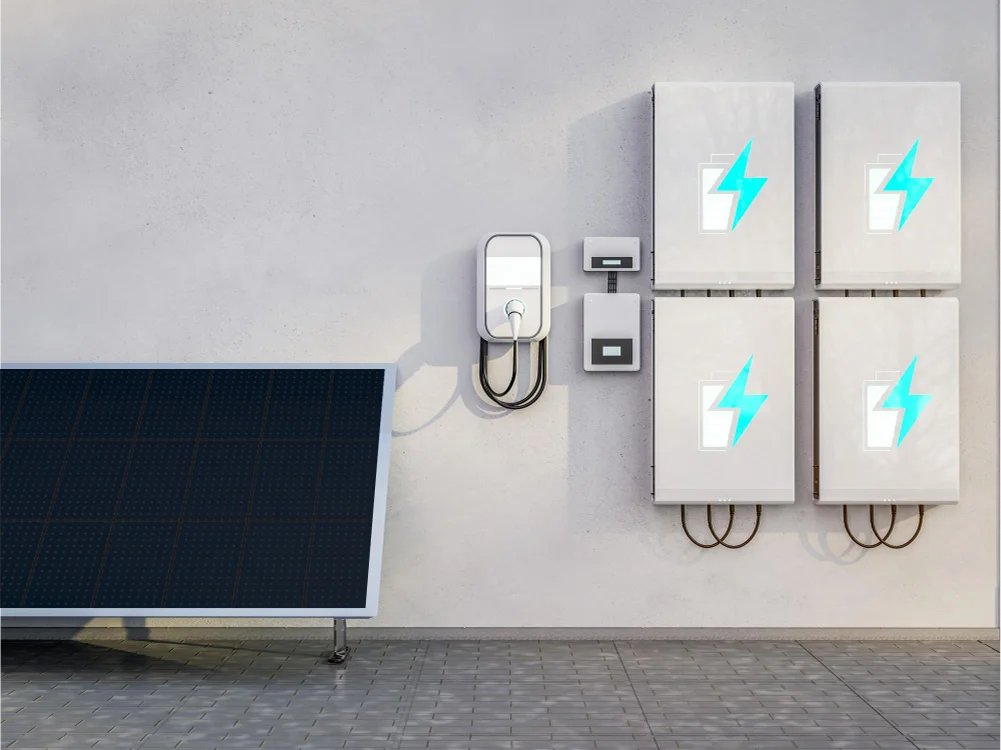
While batteries do not increase generation, they significantly improve how much solar energy you actually use. Without storage, surplus electricity is exported to the grid during the day.
With battery storage, homeowners can:
In many Worthing homes, batteries turn a good solar system into a highly efficient household energy solution.
Understanding performance versus cost expectations
Many homeowners focus heavily on pricing, but performance over 20 to 25 years is where value is truly realised. The average cost of solar worthing properties varies depending on roof size, panel quality and whether batteries are included.
Rather than comparing quotes on price alone, it helps to look at:
| Factor | Why it matters |
| Estimated annual generation | Predicts long-term savings |
| System lifespan | Impacts total return |
| Warranty coverage | Protects performance |
| Installer experience | Reduces risk of design errors |
This approach ensures your system delivers consistent output rather than just a low upfront figure.
What type of property do you have?

Detached House

Semi Detached House
Terraced House

Flat or Apartment
Bungalow
It just takes 2 minutes
And then you can book a free consultation
What performance should a typical Worthing home expect?
As an example, a three-bedroom semi-detached home with a south-east facing roof might install a mid-sized system designed around daytime and evening usage.
Common challenges include partial shading and limited roof space. A tailored layout and inverter selection often solves this, delivering stable year-round generation without overloading the system.
Homes across solar worthing frequently achieve strong self-consumption when systems are designed around real usage patterns rather than generic assumptions.
When should you review or upgrade your system?
If your system is more than ten years old, performance improvements may be possible without a full replacement. Technology advances in inverters and batteries can significantly enhance efficiency.
Signs it may be time for a review include:
Getting expert guidance on solar performance
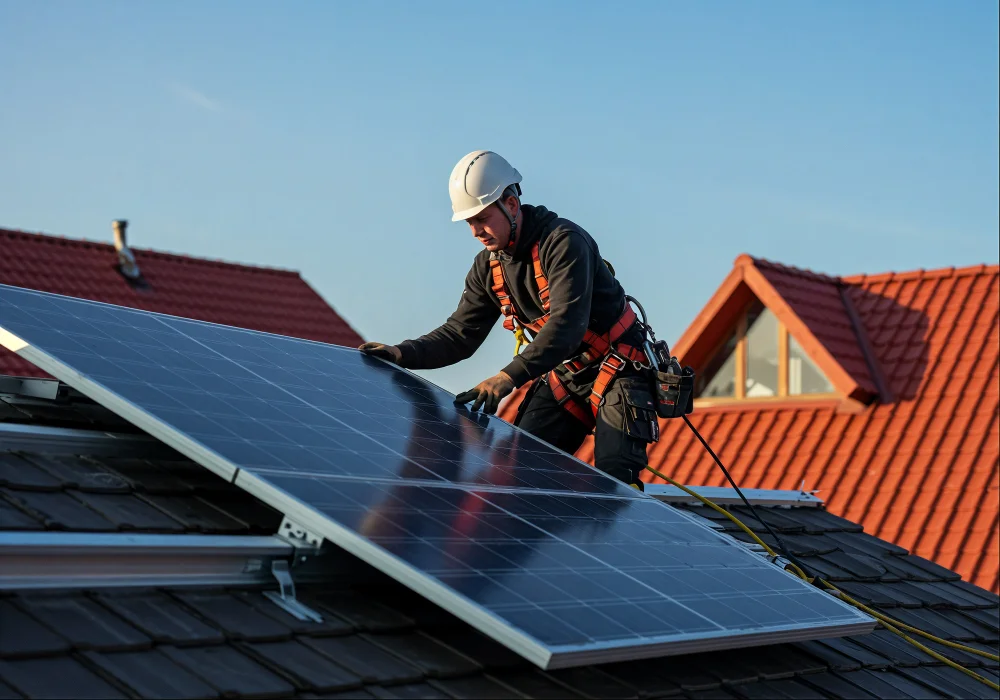
Maximising performance is about informed decisions, careful design and ongoing monitoring rather than chasing headline figures. With the right setup, solar panels can deliver consistent, reliable energy for decades.
All Solar Works supports homeowners from initial assessment through to long-term performance optimisation, ensuring systems are designed for real-world conditions and future needs.
Related articles


What type of property do you have?
Detached House
Semi Detached House
Terraced House
Flat or Apartment
Bungalow
At a glance
Solar panels are a long-term investment, but their real value comes down to performance over time. In coastal towns like Worthing, local conditions, roof design and system setup all play a role in how much usable electricity your system produces year after year.
This guide explains how homeowners can get the most from their solar setup, whether you are planning an installation or already generating power. The focus is on practical steps, realistic expectations and the factors that genuinely influence output rather than headline figures.
What affects solar panel performance in Worthing?
Solar performance is influenced by a mix of environmental, technical and household factors. Understanding these early helps set realistic expectations and avoids disappointment later.
Key influences include:
Homes across solar worthing often see strong annual generation due to relatively mild temperatures, which help panels operate efficiently without overheating during summer months.
Is your roof suitable for maximum solar output?
South-facing roofs tend to deliver the highest output, but they are not the only viable option. East and west-facing systems can still perform very well, especially when paired with battery storage.
When assessing roof suitability, installers look at:
A professional assessment uses modelling software to predict annual generation rather than relying on assumptions. This approach is standard for quality solar panel installation worthing projects and avoids underperforming systems.
How does system design influence long-term performance?
Panel efficiency is only one part of the equation. System design often has a greater impact on real-world results.
A well-designed system considers:
Poor design can reduce output even with premium panels. This is why experienced installers focus on system balance rather than headline panel ratings alone.
Why is inverter choice just as important as the panels?
The inverter converts solar energy into usable electricity for your home. If it is undersized or poorly matched, it can limit performance even on bright days.
Modern systems often include:
Monitoring allows homeowners to spot issues early and ensure their system continues performing as expected across West Sussex conditions.
How can maintenance improve solar efficiency?
Solar panels require minimal maintenance, but small issues can affect output over time. Coastal environments can lead to salt residue and airborne debris settling on panels.
Good maintenance habits include:
Professional inspections every few years can identify loose connections or inverter faults before they impact annual generation.
Does battery storage improve overall system performance?
While batteries do not increase generation, they significantly improve how much solar energy you actually use. Without storage, surplus electricity is exported to the grid during the day.
With battery storage, homeowners can:
In many Worthing homes, batteries turn a good solar system into a highly efficient household energy solution.
Understanding performance versus cost expectations
Many homeowners focus heavily on pricing, but performance over 20 to 25 years is where value is truly realised. The average cost of solar worthing properties varies depending on roof size, panel quality and whether batteries are included.
Rather than comparing quotes on price alone, it helps to look at:
| Factor | Why it matters |
| Estimated annual generation | Predicts long-term savings |
| System lifespan | Impacts total return |
| Warranty coverage | Protects performance |
| Installer experience | Reduces risk of design errors |
This approach ensures your system delivers consistent output rather than just a low upfront figure.
What type of property do you have?
Detached House
Semi Detached House
Terraced House
Flat or Apartment
Bungalow
It just takes 2 minutes
And then you can book a free consultation
What performance should a typical Worthing home expect?
As an example, a three-bedroom semi-detached home with a south-east facing roof might install a mid-sized system designed around daytime and evening usage.
Common challenges include partial shading and limited roof space. A tailored layout and inverter selection often solves this, delivering stable year-round generation without overloading the system.
Homes across solar worthing frequently achieve strong self-consumption when systems are designed around real usage patterns rather than generic assumptions.
When should you review or upgrade your system?
If your system is more than ten years old, performance improvements may be possible without a full replacement. Technology advances in inverters and batteries can significantly enhance efficiency.
Signs it may be time for a review include:
Getting expert guidance on solar performance
Maximising performance is about informed decisions, careful design and ongoing monitoring rather than chasing headline figures. With the right setup, solar panels can deliver consistent, reliable energy for decades.
All Solar Works supports homeowners from initial assessment through to long-term performance optimisation, ensuring systems are designed for real-world conditions and future needs.
Related articles
What type of property do you have?
Detached House
Semi Detached House
Terraced House
Flat or Apartment
Bungalow