Solar in Worthing: Costs, Savings and Long-Term Value

  • October 25, 2025

Solar energy is becoming an increasingly popular solution for homeowners in Worthing seeking to reduce electricity bills, increase property value, and contribute to a sustainable future. With energy prices rising and environmental concerns growing, installing solar panels is no longer just a luxury—it’s a practical investment. One of the most common questions homeowners ask is:…

    Why you can trust our content

    We know that the solar industry is full of misinformation, but we only use reliable sources, including:

    • Trusted solar professionals delivering thoughtful design and flawless installation
    • Unique database featuring optimized solar and storage configurations
    • Authoritative bodies like MCS and the UK government
    financing_options_solar-1024x669

    At a glance

    A typical 4kW solar panel system in Worthing costs between £5,000 and £7,000, depending on the installer, equipment quality, and roof type.

    Yes. Homeowners can benefit from the Smart Export Guarantee (SEG), which pays you for excess electricity you export to the grid.

    Savings vary by usage, but most Worthing households can save around £300–£600 per year on electricity bills.

    Most panels last 25–30 years, with only minor reductions in efficiency over time.

    Solar energy is becoming an increasingly popular solution for homeowners in Worthing seeking to reduce electricity bills, increase property value, and contribute to a sustainable future. With energy prices rising and environmental concerns growing, installing solar panels is no longer just a luxury—it’s a practical investment.

    One of the most common questions homeowners ask is: “What is the cost of solar in Worthing?” This guide explores the costs, savings, and long-term value of solar energy, helping you make an informed decision for your home.

    1. Understanding Solar Energy for Homes

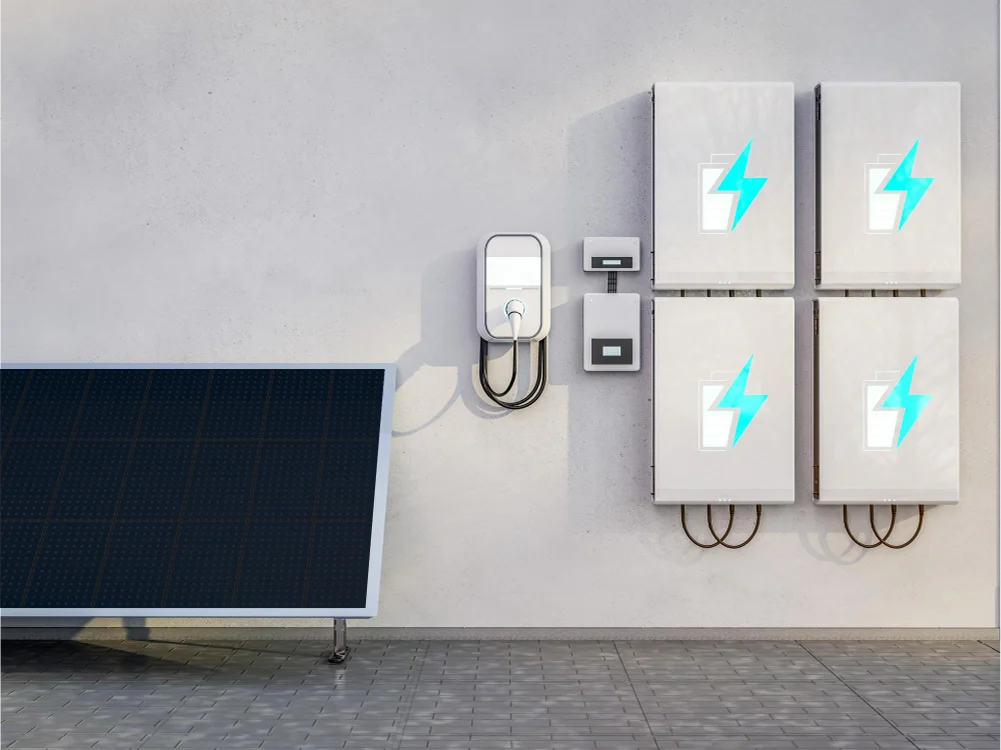
    Solar panels, also known as photovoltaic (PV) panels, convert sunlight into electricity. A solar system typically consists of:

    • Solar Panels: Capture sunlight and convert it into electrical energy.
    • Inverter: Converts the direct current (DC) from panels into alternating current (AC) for home use.
    • Battery Storage (Optional): Stores excess energy for use at night or during peak times.
    • Monitoring Systems: Track production and consumption to optimise energy use.

    Investing in a solar system allows you to generate your own electricity, reduce reliance on the grid, and save money over time.

    2. Solar Costs in Worthing

    The total cost of a solar installation in Worthing varies based on system size, roof type, and equipment quality.

    Average Costs for Home Installations

    3kWp5,000 – 6,500Small homes, moderate energy use
    5kWp7,000 – 9,000Average family home
    10kWp12,000 – 15,000Larger homes or high energy usage
    Battery Storage (5kWh)4,000 – 6,000Optional, provides energy for evenings
    Installation & Labour1,000 – 2,500Depends on roof complexity and installer

    Tip: Always get multiple quotes from trusted local installers in Worthing to ensure competitive pricing and quality.

    3. Factors That Affect Solar Costs

    Several factors influence the final cost of a solar installation:

    • System Size: More panels increase costs but generate more electricity.
    • Roof Type and Orientation: South-facing roofs optimise performance; complex roofs may require extra labour.
    • Equipment Quality: Higher-quality panels and inverters cost more but are more efficient and durable.
    • Battery Inclusion: Batteries allow for energy storage but increase installation costs.
    • Local Installer Rates: Labour costs can vary depending on installer expertise and demand.

    4. Potential Savings from Solar Panels

    Solar panels offer both immediate and long-term savings:

    a. Reducing Electricity Bills

    • A typical system can cut household electricity bills by 30–60%.
    • Using stored energy from a battery reduces reliance on peak-time electricity rates.

    b. Earning from Excess Energy

    • Surplus electricity can be sold back to the grid via the Smart Export Guarantee (SEG)
    • SEG payments provide an additional source of income for homeowners.

    c. Return on Investment

    • Most installations in Worthing pay for themselves in 7–12 years.
    • After the payback period, the system continues to generate savings for 15–25 years or more.

    5. Long-Term Value of Solar

    Beyond cost savings, solar installations offer other long-term benefits:

    • Property Value Increase: Homes with solar panels typically sell faster and at higher prices.
    • Energy Independence: Reduce reliance on grid electricity and rising energy costs.
    • Environmental Benefits: Lower carbon footprint by using renewable energy.
    • Future-Proofing: Homes with solar are increasingly attractive to buyers seeking sustainable living.

    6. Financing Your Solar Installation

    Several financing options make solar more accessible:

    • Green Loans: Low-interest loans specifically for renewable energy projects.
    • Hire Purchase: Spread the cost of installation over several years.
    • Leasing or PPAs: Pay monthly while benefiting from energy generation without upfront costs.

    Tip: Compare finance options carefully to ensure the chosen method aligns with your budget and expected savings.

    • See how much you could save

    What type of property do you have?

    Detached House

    Semi Detached House

    Terraced House

    Flat or Apartment

    Bungalow

    It just takes 2 minutes

    And then you can book a free consultation
    • Find out how much you’ll save
    • See the panels on your roof
    • Get a clear cost breakdown

    7. How to Choose a Solar Installer in Worthing

    Choosing a reputable installer is crucial for maximising value and avoiding future issues:

    • Check Experience and Credentials: Look for local companies with proven expertise.
    • Read Customer Reviews: Feedback provides insight into reliability and service quality.
    • Compare Quotes: Obtain multiple quotes to ensure fair pricing.
    • Ask About Warranties: Quality equipment and workmanship should be guaranteed.
    • Aftercare and Support: Ensure the installer offers ongoing monitoring and maintenance.

    8. Common Misconceptions About Solar

    • “Solar doesn’t work in the UK” – Even on cloudy days, solar panels produce electricity.
    • “It’s too expensive” – Government incentives, financing options, and long-term savings often make solar affordable.
    • “Batteries are unnecessary” – Batteries maximise self-consumption and reduce reliance on the grid.

    9. Maximising Solar Value

    To ensure your solar system delivers maximum value:

    • Regular Maintenance: Clean panels and inspect inverters and batteries.
    • Monitor Energy Usage: Track production vs consumption to optimise savings.
    • Use Smart Appliances: Schedule high-energy appliances to operate during solar production hours.
    • Stay Informed: Keep up to date with government incentives and energy tariffs

    Solar in Worthing is a sound investment that provides financial, environmental, and long-term value. By understanding costs, potential savings, and installer services, homeowners can make informed decisions that reduce energy bills and enhance property value.

    Related articles
    • Estimate Your Savings
    What type of property do you have?

    Detached House

    Semi Detached House

    Terraced House

    Flat or Apartment

    Bungalow

    At a glance

    A typical 4kW solar panel system in Worthing costs between £5,000 and £7,000, depending on the installer, equipment quality, and roof type.

    Yes. Homeowners can benefit from the Smart Export Guarantee (SEG), which pays you for excess electricity you export to the grid.

    Savings vary by usage, but most Worthing households can save around £300–£600 per year on electricity bills.

    Most panels last 25–30 years, with only minor reductions in efficiency over time.

    Solar energy is becoming an increasingly popular solution for homeowners in Worthing seeking to reduce electricity bills, increase property value, and contribute to a sustainable future. With energy prices rising and environmental concerns growing, installing solar panels is no longer just a luxury—it’s a practical investment.

    One of the most common questions homeowners ask is: “What is the cost of solar in Worthing?” This guide explores the costs, savings, and long-term value of solar energy, helping you make an informed decision for your home.

    1. Understanding Solar Energy for Homes

    Solar panels, also known as photovoltaic (PV) panels, convert sunlight into electricity. A solar system typically consists of:

    • Solar Panels: Capture sunlight and convert it into electrical energy.
    • Inverter: Converts the direct current (DC) from panels into alternating current (AC) for home use.
    • Battery Storage (Optional): Stores excess energy for use at night or during peak times.
    • Monitoring Systems: Track production and consumption to optimise energy use.

    Investing in a solar system allows you to generate your own electricity, reduce reliance on the grid, and save money over time.

    2. Solar Costs in Worthing

    The total cost of a solar installation in Worthing varies based on system size, roof type, and equipment quality.

    Average Costs for Home Installations

    3kWp5,000 – 6,500Small homes, moderate energy use
    5kWp7,000 – 9,000Average family home
    10kWp12,000 – 15,000Larger homes or high energy usage
    Battery Storage (5kWh)4,000 – 6,000Optional, provides energy for evenings
    Installation & Labour1,000 – 2,500Depends on roof complexity and installer

    Tip: Always get multiple quotes from trusted local installers in Worthing to ensure competitive pricing and quality.

    3. Factors That Affect Solar Costs

    Several factors influence the final cost of a solar installation:

    • System Size: More panels increase costs but generate more electricity.
    • Roof Type and Orientation: South-facing roofs optimise performance; complex roofs may require extra labour.
    • Equipment Quality: Higher-quality panels and inverters cost more but are more efficient and durable.
    • Battery Inclusion: Batteries allow for energy storage but increase installation costs.
    • Local Installer Rates: Labour costs can vary depending on installer expertise and demand.

    4. Potential Savings from Solar Panels

    Solar panels offer both immediate and long-term savings:

    a. Reducing Electricity Bills

    • A typical system can cut household electricity bills by 30–60%.
    • Using stored energy from a battery reduces reliance on peak-time electricity rates.

    b. Earning from Excess Energy

    • Surplus electricity can be sold back to the grid via the Smart Export Guarantee (SEG)
    • SEG payments provide an additional source of income for homeowners.

    c. Return on Investment

    • Most installations in Worthing pay for themselves in 7–12 years.
    • After the payback period, the system continues to generate savings for 15–25 years or more.

    5. Long-Term Value of Solar

    Beyond cost savings, solar installations offer other long-term benefits:

    • Property Value Increase: Homes with solar panels typically sell faster and at higher prices.
    • Energy Independence: Reduce reliance on grid electricity and rising energy costs.
    • Environmental Benefits: Lower carbon footprint by using renewable energy.
    • Future-Proofing: Homes with solar are increasingly attractive to buyers seeking sustainable living.

    6. Financing Your Solar Installation

    Several financing options make solar more accessible:

    • Green Loans: Low-interest loans specifically for renewable energy projects.
    • Hire Purchase: Spread the cost of installation over several years.
    • Leasing or PPAs: Pay monthly while benefiting from energy generation without upfront costs.

    Tip: Compare finance options carefully to ensure the chosen method aligns with your budget and expected savings.

    • See how much you could save

    What type of property do you have?

    Detached House

    Semi Detached House

    Terraced House

    Flat or Apartment

    Bungalow

    It just takes 2 minutes

    And then you can book a free consultation
    • Find out how much you’ll save
    • See the panels on your roof
    • Get a clear cost breakdown

    7. How to Choose a Solar Installer in Worthing

    Choosing a reputable installer is crucial for maximising value and avoiding future issues:

    • Check Experience and Credentials: Look for local companies with proven expertise.
    • Read Customer Reviews: Feedback provides insight into reliability and service quality.
    • Compare Quotes: Obtain multiple quotes to ensure fair pricing.
    • Ask About Warranties: Quality equipment and workmanship should be guaranteed.
    • Aftercare and Support: Ensure the installer offers ongoing monitoring and maintenance.

    8. Common Misconceptions About Solar

    • “Solar doesn’t work in the UK” – Even on cloudy days, solar panels produce electricity.
    • “It’s too expensive” – Government incentives, financing options, and long-term savings often make solar affordable.
    • “Batteries are unnecessary” – Batteries maximise self-consumption and reduce reliance on the grid.

    9. Maximising Solar Value

    To ensure your solar system delivers maximum value:

    • Regular Maintenance: Clean panels and inspect inverters and batteries.
    • Monitor Energy Usage: Track production vs consumption to optimise savings.
    • Use Smart Appliances: Schedule high-energy appliances to operate during solar production hours.
    • Stay Informed: Keep up to date with government incentives and energy tariffs

    Solar in Worthing is a sound investment that provides financial, environmental, and long-term value. By understanding costs, potential savings, and installer services, homeowners can make informed decisions that reduce energy bills and enhance property value.

    Related articles
    What type of property do you have?

    Detached House

    Semi Detached House

    Terraced House

    Flat or Apartment

    Bungalow